


Cultural Immersion in Bali Coliving
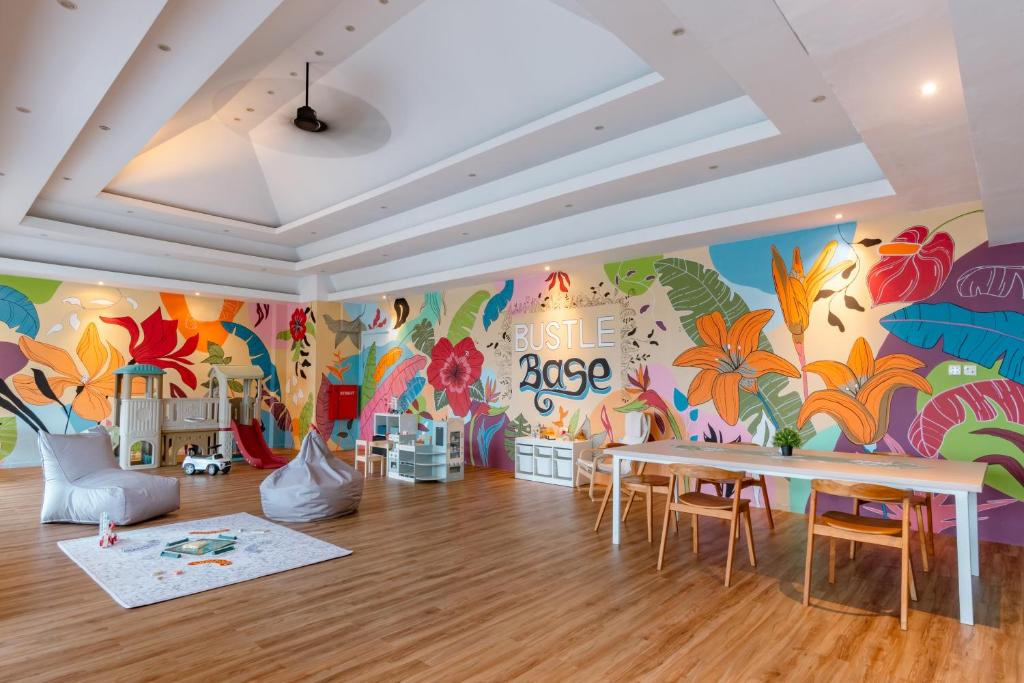
Coliving Bali not only offers comfortable accommodations and a warm community, but it’s even more enjoyable when combined with a cultural immersion experience. Imagine living with a global community while participating in local cultural activities, from Balinese cooking classes and traditional dance lessons to attending temple ceremonies.
In this way, coliving isn’t just about sharing space; it’s also an opportunity to connect with local wisdom, enriching your life experiences, and making your stay on the Island of the Gods more authentic and memorable.
What is Cultural Immersion?
Cultural immersion is the experience of directly experiencing local life and traditions, rather than simply being a spectator. In Bali, this can mean participating in daily community activities, understanding Balinese Hindu philosophy reflected in rituals and art, and interacting with locals to learn about their values of mutual cooperation and spirituality.
Through cultural immersion, everyone learns more about Bali than just tourism but also about the true pulse of life, building a deeper connection with the culture, environment, and people who are the soul of this island.
How Does Coliving Encourage Cultural Immersion?
Coliving in Bali naturally encourages cultural immersion because its concept prioritizes interaction, collaboration, and shared experiences. Many coliving spaces not only provide accommodation but also design community programs such as art workshops, yoga classes with a touch of Balinese philosophy, tours of traditional villages, and discussion sessions with local figures.
With an open, communal atmosphere, residents can more easily connect with the local culture, not just as guests, but as part of everyday Balinese life. This makes the experience of living more authentic, profound, and lasting than simply visiting as tourists.
Getting to Know Balinese Art
Through the concept of cultural immersion while coliving, residents not only experience Bali from its natural perspective but also get closer to the rich art that defines the island’s cultural identity. Many coliving spaces collaborate with local artists to hold classes or performances, allowing residents to directly experience the beauty and philosophical meaning of Balinese art.
For example, traditional Balinese dances like the Kecak Dance, Legong Dance, or Barong Dance are steeped in spiritual symbolism and the epic story of the Ramayana. Furthermore, Ubud boasts a thriving Balinese painting scene with its distinctive style, exquisite wood and silver carvings, and Balinese gamelan, which delivers the harmony of energetic traditional music.
Get engage in these activities while coliving not only broadens your horizons. It also opens up opportunities for deeper interactions with local artists and the community, making your stay in Bali more authentic and memorable.
Engage in the Daily Life of the Local Community
Besides experiencing the arts, cultural immersion while coliving Bali also provides an opportunity to experience firsthand the daily lives of local communities, steeped in culture and tradition. For example, residents can participate in daily activities like making canang sari, a traditional Balinese flower offering, shopping at traditional markets, and helping prepare for traditional temple ceremonies.
Simple interactions like chatting with local food stall owners, witnessing religious processions in the village, or participating in the harvest in the rice fields also provide a tangible glimpse into how spiritual values, mutual cooperation, and togetherness are deeply rooted in Balinese life.
By engaging directly in these activities, the coliving experience becomes more than just living somewhere, but an opportunity to understand the Balinese philosophy of living in harmony with nature, others, and spirituality.
Typical Cuisine and Traditions
Besides culture and traditions, one of the most enjoyable ways to experience cultural immersion while coliving in Bali is through local cuisine. Food for Balinese people is not just a meal, but also part of religious traditions and rituals. For example, some dishes are served in traditional ceremonies as a symbol of gratitude and respect for ancestors.
By living in a coliving space that encourages cultural interaction, residents can participate in traditional cooking classes, visit local markets to select fresh ingredients, and understand the philosophy behind each dish.
Some famous Balinese culinary specialties include Babi Guling, a celebratory dish with distinctive spices; Ayam Betutu, a richly spiced chicken slow-cooked until tender and full of flavor; Lawar, a mixture of vegetables, grated coconut, and minced meat often featured in traditional ceremonies; and Sate Lilit, a unique satay made from minced meat wrapped around lemongrass stalks.
By sampling and learning about the traditions behind these dishes, coliving residents can experience a much deeper experience, not just in terms of taste, but also in the stories and cultural values that accompany them.
Hinduism Values in Bali
Furthermore, cultural immersion while coliving in Bali also provides an opportunity to understand the values of Balinese Hinduism, which are deeply ingrained in the daily lives of the community. Unlike Hinduism in India, Balinese Hinduism has distinctive characteristics that blend with local traditions and a philosophy of life called Tri Hita Karana, the concept of balance between human relationships with God, others, and nature.
These values are reflected in every aspect of life, from daily rituals such as canang sari offerings and traditional temple ceremonies to the layout of homes and villages, which are designed in harmony with the cosmos. One of the things that attract coliving residents is how Balinese people practice their faith with sincerity, while maintaining a high level of tolerance for visitors from various religious and cultural backgrounds.
Guests who witness or even participate in traditional ceremonies are often welcomed with warmth, as long as they respect local rules and traditions. This is what makes living in Bali a warm experience, where everyone is invited to learn, share, and respect each other’s diversity.
Understanding the Subak Irrigation System
One of Bali’s most famous and UNESCO-recognized cultural heritages is the Subak irrigation system, a water management method that is not only technical but also imbued with spiritual value. Subak reflects the Tri Hita Karana philosophy, namely harmony between humans, God, others, and nature.
The water flowing from temples to rice paddies is considered a sacred gift and is then managed collectively through a system of mutual cooperation that emphasizes togetherness and justice. In this way, agriculture in Bali is not only about producing food, but also about maintaining a balance of life rooted in faith and tradition.
Engaging in Subak Activities
For coliving residents, cultural immersion can be deepened by learning about or even participating in Subak activities. Several coliving spaces in Bali offer visits to rice paddy villages, where residents can observe firsthand how farmers work, learn about the rituals that accompany irrigation, and understand the Tri Hita Karana philosophy that underpins the system.
Through these experiences, living in Bali is no longer just about enjoying the beautiful rice paddy views, but also understanding the stories and cultural values that live them, a perspective that makes coliving even more memorable and meaningful.
Coliving Space in Bali
If you’re looking for a living experience that goes beyond simply renting a room, Bali Bustle is the perfect choice. With a concept of coliving space in Bali, Indonesia, the Bali Bustle not just providing comfortable and modern accommodations, it also serves as a door to best cultural immersion.
Here, you can connect with a global community while gaining a deeper understanding of local culture through shared activities, from Balinese cooking classes and traditional dance lessons to cultural excursions to traditional villages.
Staying at Bali Bustle means opening yourself to an authentic experience that blends a productive lifestyle with a rich cultural atmosphere. Every moment isn’t just about work or leisure; it’s also an opportunity to understand Balinese life philosophy, interact with local artists, and experience the hospitality that characterizes the Island of the Gods. If you want to make your coliving meaningful, Bali Bustle will give you a coliving experience that’s culturally memorable.
Frequently Asked Questions
How does coliving support cultural immersion?
Coliving spaces in Bali often host activities such as art workshops, Balinese cooking classes, yoga sessions with local philosophy, and village tours. These programs help residents experience Balinese traditions firsthand and connect with the local community.
What types of cultural activities can I join?
Residents can participate in traditional dance lessons, gamelan music sessions, temple ceremonies, community discussions, Subak rice field tours, and even cooking classes that highlight Balinese culinary traditions.
Can I learn about Balinese art while coliving?
Yes! Many coliving spaces collaborate with local artists to hold painting workshops, woodcarving classes, and traditional dance performances, giving residents a chance to both appreciate and practice Balinese art.
Is it possible to experience local daily life?
Residents can engage in daily practices like making canang sari (flower offerings), shopping at traditional markets, or even joining locals in rice harvesting. These activities allow you to experience the rhythm of authentic Balinese life.
How is Balinese cuisine part of cultural immersion?
Cuisines in Bali are deeply bound to tradition or rituals. Through cooking classes and market visits, residents can learn about dishes like Babi Guling, Ayam Betutu, Lawar, and Sate Lilit, while also understanding their cultural significance.
What values of Hinduism in Bali will I experience?
You can learn about Tri Hita Karana. It’s the Balinese philosophy of harmony between people, nature, and God. By observing daily offerings, attending ceremonies, and engaging with the community, you’ll see how these values shape everyday life.