
Things to Know Before Booking a Coliving Space in Bali
Bali continues to attract travelers from around the world, not only tourists but also remote workers, startup founders, creators, freelancers, and long-term explorers looking for a place where they can live and work comfortably. As the remote-work lifestyle grows, many people are moving beyond traditional hotels and villas and choosing co-living spaces instead.
Unlike a standard accommodation experience, co-living combines housing, convenience, productivity, and community in one environment. Guests often gain access to work facilities, social spaces, networking opportunities, and daily services that support a more flexible lifestyle.
For people planning an extended stay, the co-living space in Bali has become one of the accommodation options frequently considered by digital nomads and travelers. With various locations and integrated work-friendly facilities, it offers an experience designed around modern living rather than simply providing a place to sleep.
However, before securing your reservation, there are a few practical details worth understanding. Information such as electricity arrangements, stay duration, check-in rules, cleaning services, payment methods, and coworking access can significantly affect your experience.
Here are important things to know before booking your stay.
Who Is Co-living in Bali Best For?
Co-living spaces appeal to a broad range of travelers because they solve several everyday needs at once.
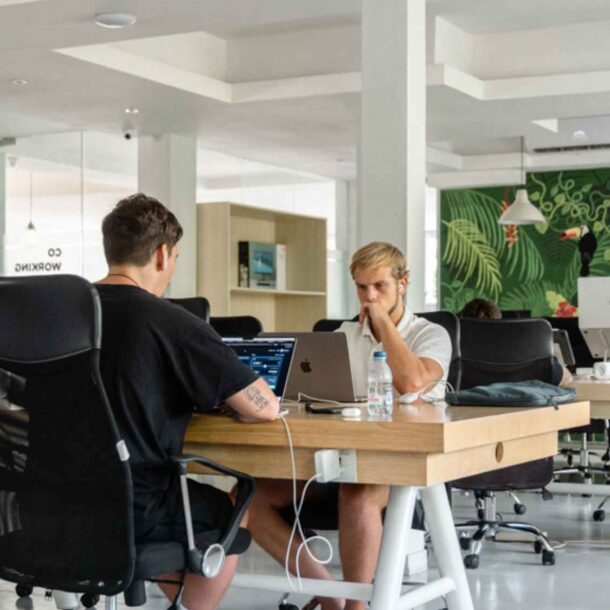
Remote workers often choose co-living because work and accommodation are integrated into a single setup. Instead of spending hours searching for cafés with stable internet, they have dedicated spaces for productivity and a community of people with similar routines.
Freelancers and entrepreneurs also benefit from this environment. Having work facilities nearby creates a more efficient schedule and reduces the need to commute between locations throughout the day.
Long-stay travelers are another group that frequently prefers co-living arrangements. Spending one or two months in a destination can sometimes feel isolating when staying in traditional hotels. Shared spaces create opportunities to meet people and build connections.
Solo travelers especially enjoy the social aspect. It can be easier to form friendships and participate in activities compared with more conventional accommodations.
Content creators, startup teams, online business owners, and students also commonly choose co-living because they want flexibility and access to work-friendly environments.
What Is Included at Bali Bustle?
One common misunderstanding is assuming that co-living only provides a room and internet connection. Modern co-living spaces usually include additional services designed to support longer stays and daily routines.
Depending on room selection and location, guests may receive:
- High-speed Wi-Fi
- Coworking access
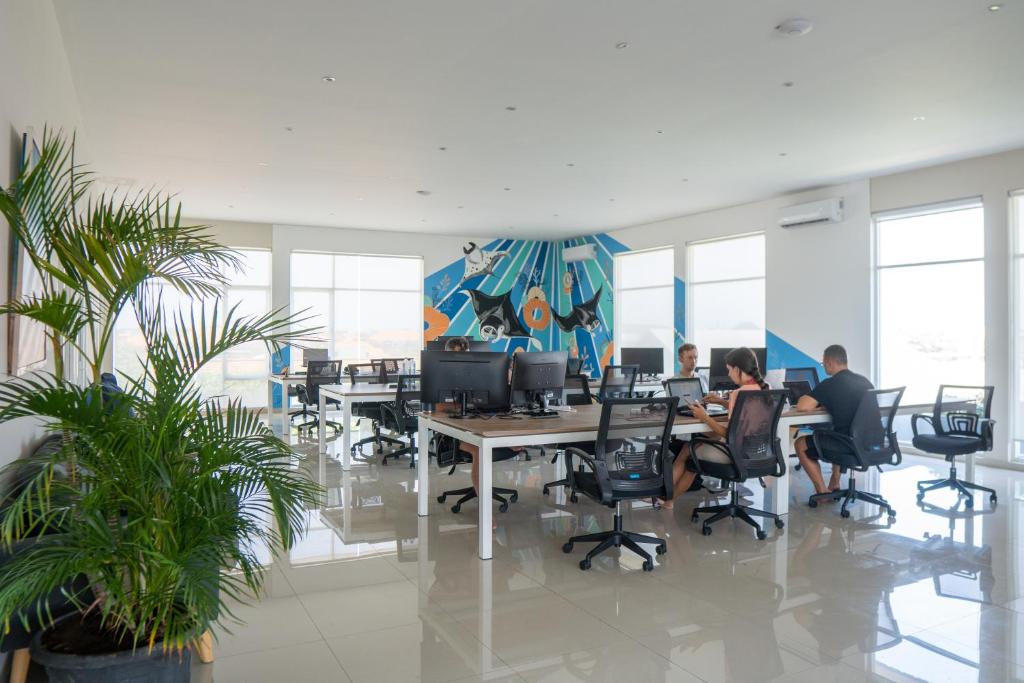
- Workspace facilities
- Community areas
- Weekly room cleaning
- Membership benefits
- Shared facilities
- Work-oriented environments
Some room categories also include essentials such as storage space, work desks, drinking water, towels, and basic amenities.
Selected locations may additionally provide:
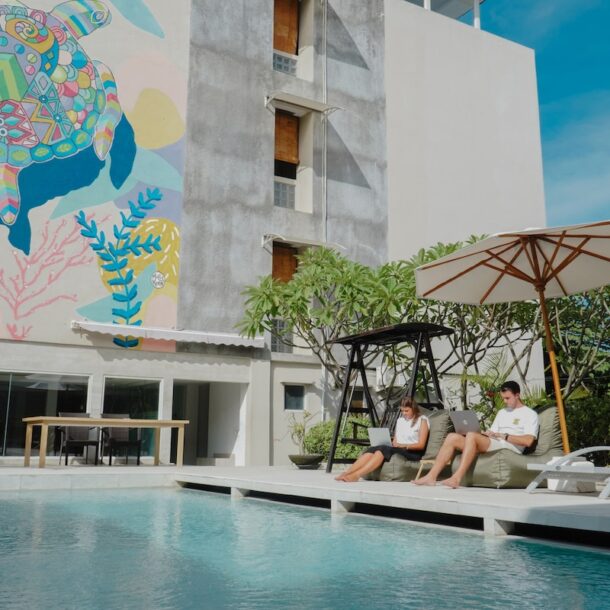
- Swimming pools
- Fitness facilities
- Rooftop spaces
- Shared kitchens
- Meeting rooms
- Skype rooms
- Café areas
Facilities can vary according to room type and property location, so checking details before confirming a booking is helpful.
Understanding exactly what is included avoids assumptions and helps prevent unexpected expenses after arrival.
Daily, Weekly, and Monthly Stay Options
One of the biggest advantages of choosing a co-living space is flexibility. Every traveler arrives in Bali with different plans, which is why having multiple stay options can make the experience more convenient. This property offers accommodation options to suit a variety of travel styles, whether you’re visiting for a short trip or planning a longer stay.
Daily stays can be ideal for travelers who are exploring Bali, attending business meetings, or testing an area before committing to a longer stay. Weekly options are suitable for guests who want more flexibility without immediately choosing a monthly package.
For digital nomads, remote workers, and long-term travelers, monthly stays are often the most practical option. Longer stays allow guests to settle into a routine, become part of the community, and enjoy a more comfortable lifestyle. Before booking, it is also worth asking about minimum stay requirements and available long-term offers.
Electricity, Cleaning, Laundry, and Utilities
Many first-time co-living guests overlook everyday operational details. While hotels often include everything automatically, longer stays sometimes follow different systems. Knowing how utilities work beforehand can help you budget more accurately.
Electricity policy
Understanding the electricity policy before moving into a co-living space is important, especially for guests planning longer stays. Unlike traditional hotels where utilities are always bundled into one price, some long-term accommodations may use different systems depending on room type or booking arrangement.
Eelectricity policies can vary based on the selected package and stay duration. Some accommodations may include electricity within the room rate, while others may use a separate electricity top-up system. For extended stays, guests are encouraged to ask whether there are usage limits or additional charges that may apply.
Cleaning schedule
Cleaning services are included in certain accommodations. Weekly room cleaning helps guests maintain a comfortable living environment without needing to organize outside services.
Laundry price
Laundry service availability is another practical feature many guests consider important. Rather than searching for nearby laundromats, on-site or connected laundry options create additional convenience.
Prices may vary according to:
- weight
- service type
- location
- turnaround speed
Confirming laundry costs before arrival helps with budgeting.
Utilities
Internet access and shared utilities are usually available, but long-term guests should still clarify exactly what is covered. Having clear expectations makes day-to-day living easier.
Coworking Access and Work Facilities
For remote workers and digital nomads, a comfortable room alone is not enough. A productive environment and reliable work facilities can greatly influence the overall experience while staying in Bali. One of the advantages of staying at Bali co-living space is access to work-friendly facilities designed to support modern lifestyles.
Guests can enjoy high-speed Wi-Fi that helps with daily activities such as video meetings, online collaboration, uploading content, and managing remote projects. Stable internet is especially important for freelancers, entrepreneurs, and professionals who work across different time zones.
Bali co-living space also provides coworking access, allowing guests to work in dedicated spaces rather than spending hours searching for cafés every day. Workspaces often create a better routine and improve focus throughout the day. Depending on the location, guests may also find meeting areas, communal spaces, and environments where networking naturally happens.
Check-In and Move-In Process
Travel days can already be exhausting, especially after long flights. Understanding arrival procedures ahead of time creates a smoother transition.
Check-in time: 3:00 PM
Check-out time: 12:00 PM
Guests arriving before room availability may have options to store luggage while waiting.
Choosing the Right Bali Bustle Location
Selecting the right location can shape your entire Bali experience because each area offers a different atmosphere and lifestyle. Bali co-living and co-working space provides several locations that can match different travel goals and daily routines.
If you want to stay close to nightlife, shopping areas, beaches, and easy airport access, Bali co-living space Kuta can be a practical option. This area is suitable for travelers who enjoy a lively environment and want quick access to restaurants, cafés, and entertainment spots.
For guests who prefer easier access to central areas and a more connected urban setting, Bali co-living space Sunset offers a strategic location near popular routes around South Bali. It can be a good choice for remote workers who frequently move between areas.
Bali co-living and co-working space Mertanadi may suit guests looking for a calmer atmosphere while still remaining close to popular destinations around Seminyak and nearby cafés.
Meanwhile, Bali Bustle Base can be attractive for guests who prioritize productivity and work-focused routines. Before booking, consider your daily schedule, favorite activities, commuting needs, and the places you plan to visit most often.
Booking Through Website, Travel Platform, or Direct Contact
Booking your stay in advance is highly recommended, especially during busy travel periods when Bali receives large numbers of tourists and remote workers. This co-living center offers several ways to book accommodation, giving guests flexibility according to their preferences.
For the most direct communication and updated room availability, many guests choose to book through the official website. Booking directly can make it easier to ask questions regarding room types, long-term stay options, promotions, coworking access, and special requests before arrival.
Guests who prefer to speak with staff can also contact them directly via WhatsApp or phone at +62 878-6182-9035. Direct contact is useful for discussing accommodation needs or confirming booking details.
For guests planning to visit the Kuta area, this accommodation is located at Jl. Dewi Sri II No. 23, Legian, Kuta District, Badung Regency, Bali 80361, providing easy access to nearby attractions and daily amenities. You can also browse room options and complete your reservation through the website.
FAQ
- Is Wi-Fi included?
Yes, internet access is available and designed to support remote work and daily usage.
- Is coworking access included?
Many room categories include coworking access, although details may differ by package.
- Is there a minimum stay requirement?
Stay requirements can vary according to room type and promotions.
- Can guests arrive late?
Late arrivals may be accommodated through prior communication.
- Are laundry services available?
Yes, laundry services are available, although additional charges may apply.
Ready to experience a more comfortable way to live and work in Bali? Book your stay today and find a space designed for productivity, flexibility, and community living.

Bali Bustle Team shares practical insights about coliving, coworking, and remote work lifestyle in Bali, based on the brand’s experience managing community-driven living and working spaces in Bali.