
Coliving in Bali for Digital Nomads: The Features That Really Matter

Over the past decade, Bali has transformed from a backpacker’s paradise into a global hub for digital nomads. One of the most notable developments has been the rise of coliving Bali, a concept that combines accommodation, co-working spaces, and community-based living under one roof.
Beyond its stunning beaches, rolling rice paddies, and rich culture, Bali now offers an ecosystem that supports remote workers to thrive, complete with co-working spaces, fitness centers, and a vibrant community.
Digital nomads flock to Bali for a unique mix of productivity and leisure, which means the features of a coliving space can make or break the experience. In this article, we’ll break down what really matters in coliving for digital nomads, explore why Bali is the perfect backdrop, and highlight tips to help you choose the right spot for your lifestyle.
The Concept of Coliving Among Digital Nomads
It’s not just about where you stay; coliving shapes a lifestyle that balances work, enjoyment, and social belonging. Imagine waking up in a private, stylish bedroom, grabbing your laptop, and walking just a few steps to a coworking lounge with high-speed internet. Later, you cook dinner in a shared kitchen, join a yoga class, or connect with other remote workers over a networking event.
For digital nomads, coliving solves two key challenges:
- Flexibility – Most coliving spaces offer short-term leases, making it easy for nomads to move without being tied down by contracts.
- Community – Remote work can be isolating. Coliving brings together like-minded individuals.
This is why coliving Bali has become such a buzzword. The island offers a natural blend of a tropical lifestyle with modern digital infrastructure, providing nomads with the best of both worlds.
Why Bali Is the Ultimate Coliving Destination
Bali isn’t just another destination on the digital nomad map, it’s one of the top choices worldwide. Here’s why:
1. Reliable Digital Infrastructure
While Bali may be an island, it has adapted to the remote work wave. High-speed internet is widely available, particularly in areas such as Canggu, Ubud, and Seminyak, where most coliving hubs are concentrated.
2. Affordable Living
Compared to Western countries, the cost of living in Bali is relatively low. Even upscale coliving options come at a fraction of what you’d pay in major cities like London or New York.
3. Vibrant Nomad Communities
Bali is home to some of the most active digital nomad communities. Weekly meetups, networking events, and cultural gatherings are standard, creating an environment of constant inspiration.
4. Lifestyle Perks
From yoga studios and surf spots to organic cafés and meditation retreats, Bali offers countless lifestyle perks that complement the coliving model.
5. Cultural Depth
Beyond work and play, Bali enriches nomads with cultural experiences, temple visits, ceremonies, and traditional arts.
These factors make coliving Bali not just convenient but deeply fulfilling for remote professionals seeking balance.
The Features That Really Matter in Coliving Bali
When choosing a coliving Bali experience, the details make all the difference. For digital nomads, it’s not just about finding a bed; it’s about building a lifestyle that fuels both productivity and personal growth. Below are the features that truly matter, explained in greater depth:
1. Prime Location and Accessibility
Bali offers diverse environments, from buzzing beach towns to serene jungle retreats. A comfortable coliving location with complete features will support your activities.
Living in Canggu, for example, means quick access to surf spots, coworking hubs, and trendy cafés. Ubud offers a more spiritual and nature-driven atmosphere. Accessibility to supermarkets, gyms, and medical facilities also matters, especially for long-term stays.
2. High-Speed Internet and Tech Infrastructure
For digital nomads, the internet is lifeblood. The best coliving spaces provide fast WiFi, multiple routers, and backup connections to ensure reliability. Some even offer private phone booths or Zoom rooms for calls. Without this feature, a coliving space cannot fulfill its promise of remote work support.
3. Comfortable and Functional Private Rooms
Even if you live among many people, you still need personal space. A good coliving Bali setup balances community and privacy by offering cozy private rooms with comfortable beds, air conditioning, work desks, and soundproofing. Having a restful retreat makes it easier to recharge after a long day of work or social activities.
4. Thoughtful Coworking Areas
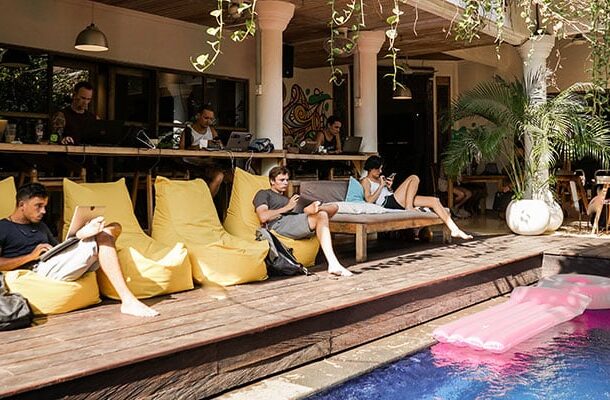
Coliving loses its appeal if the work environment is neglected. Nomads look for ergonomic chairs, large tables, quiet zones, and communal lounges designed for collaboration.
The outdoor space concept is also very attractive with green plants exposed to sunlight, especially in Bali’s tropical climate. Some coliving hubs also provide whiteboards, printers, and meeting rooms, making them feel like a professional office.
5. Strong Community and Networking Opportunities
Community is the most important feature of coliving spaces. Spaces that organize workshops, networking events, or cultural activities foster meaningful connections. Whether it’s a weekly dinner, a language exchange, or a skill-sharing session, these events help transform strangers into friends. This is why many digital nomads choose coliving over renting a private villa, it provides built-in social interaction.
6. Flexible Booking and Transparent Pricing
Nomads value freedom, and rigid contracts can be a deal-breaker. The best coliving spaces in Bali offer weekly or monthly stays with all-inclusive rates that cover utilities, internet, and access to coworking areas. Transparent pricing, without hidden fees, creates trust and makes budgeting easier.
7. Wellness, Lifestyle, and Sustainability
Bali is known for its wellness culture, and coliving spaces often incorporate this element. Access to yoga sessions, fitness centers, meditation spaces, or even surf lessons enriches the lifestyle. Nutrition is also a priority; proximity to healthy cafés or an in-house kitchen supports balanced living. Many coliving providers are also adopting eco-friendly practices such as composting, renewable energy, and plastic-free policies.
8. Extra Amenities That Enhance Daily Life
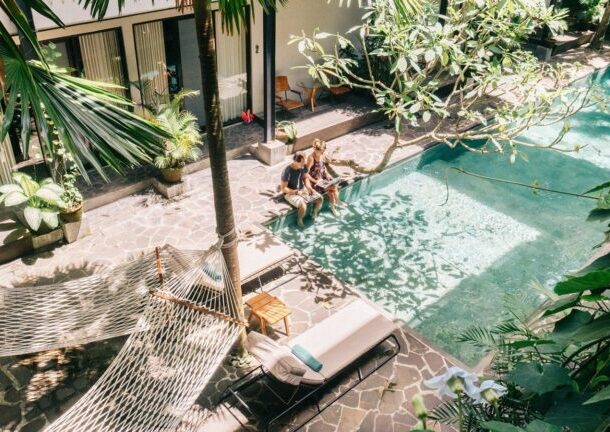
Small details can elevate the experience, swimming pools, communal kitchens, rooftop lounges, laundry services, and even scooter rentals. These extras may seem minor, but they add convenience and comfort, turning a temporary stay into a truly enjoyable lifestyle.
Coliving vs. Other Accommodation Options in Bali
You might wonder: why not just rent a villa, stay at a guesthouse, or book a hotel? While these options have their perks, coliving brings unique advantages:
- Villas: Great for privacy, but often expensive and isolating.
- Guesthouses: Affordable but lack coworking facilities and community-driven design.
- Hotels: Convenient but not designed for long-term productivity.
Coliving strikes the balance by offering affordability, built-in communities, and tailored features for nomads. That’s why many consider coliving in Bali the most practical option.
Spotlight: Balibustle – A Perfect Match for Digital Nomads
Among the growing list of coliving spaces in Bali, Balibustle stands out. Based in Canggu, it unites up-to-date facilities with a community-centered approach. It offers:
- Spacious private rooms with a comfortable design.
- A dedicated coworking space with ergonomic seating.
- Wellness facilities like a gym, yoga space, and pool.
- A community calendar filled with networking events and workshops.
What makes Balibustle truly special is its focus on balance. It’s not just about productivity but also about creating a lifestyle where wellness and community coexist. For many nomads, this makes it the best coliving space in Bali for digital nomads a place where they can stay motivated, inspired, and connected.
How to Choose a Comfortable Coliving Space
Before committing, consider these tips:
- Check Reviews and Ratings – Feedback from other nomads gives honest insight into internet quality, cleanliness, and community vibe.
- Visit Before Booking Long-Term – If possible, spend a few nights before committing to weeks or months.
- Compare Prices – Rates vary widely. Choose a complete package that offers access to a co-working space with full facilities.
- Assess the Community – Some spaces are more social, while others are quieter. Select what fits your character and professional habits.
- Look for Added Value – Wellness classes, cultural activities, and sustainability efforts often enhance the experience.
Choosing wisely ensures you maximize your coliving Bali experience.
The Future of Coliving in Bali
As the digital nomad lifestyle continues to grow, Bali is positioning itself as a leader in coliving culture. Spaces are becoming more innovative, integrating sustainable practices, hybrid work models, and even partnerships with global coworking networks.
The demand for coliving Bali will likely rise as governments explore digital nomad visas and remote work becomes the norm. For nomads, this means more choices, higher quality, and better-tailored experiences.
Coliving is not just a trend, it represents a lifestyle change that aligns seamlessly with Bali’s spirit. For digital nomads, it offers the ultimate solution: a space that combines work-friendly infrastructure, social opportunities, and a lifestyle that fuels both productivity and well-being.
Whether you’re drawn to the energy of Canggu, the serenity of Ubud, or the waves of Uluwatu, coliving Bali offers something for everyone. And with standout spaces like Balibustle, the island is proving itself as a global pioneer in this movement.
So, if you’re ready to blend work with island living, the features that matter most are clear: location, connectivity, comfort, community, and lifestyle support. When you find a space that nails all of these, Bali becomes more than a destination, it becomes home.
Frequently Asked Questions
- Is coliving Bali suitable for long-term stays?
Yes, many coliving spaces offer monthly packages with flexible contracts.
- Do coliving spaces in Bali include coworking areas?
Of course, most of them have it with high-speed internet facilities to spacious meeting rooms.
- Can I join community events if I’m shy or introverted?
Absolutely. Events are optional, and many nomads ease in at their own pace.
- Are coliving spaces in Bali eco-friendly?
Many adopt sustainable practices such as recycling, composting, and renewable energy.
- Which areas of Bali are best for coliving?
Canggu, Ubud, Seminyak, and Uluwatu are the most popular for digital nomads.

Bali Bustle Team shares practical insights about coliving, coworking, and remote work lifestyle in Bali, based on the brand’s experience managing community-driven living and working spaces in Bali.